
Project Success Stories

Smart Planning. Real Results. Proven on Long Island.
Across Long Island, communities that planned for growth — rather than reacting to it — are seeing real, measurable benefits. When multifamily and mixed-use development is focused near transit and village centers, the results are consistent: stronger downtowns, expanded housing options, job creation, and a healthier tax base with limited school impacts.
The examples below highlight LIBI member-led projects that demonstrate how smart planning works in practice.
Tritec Real Estate Company
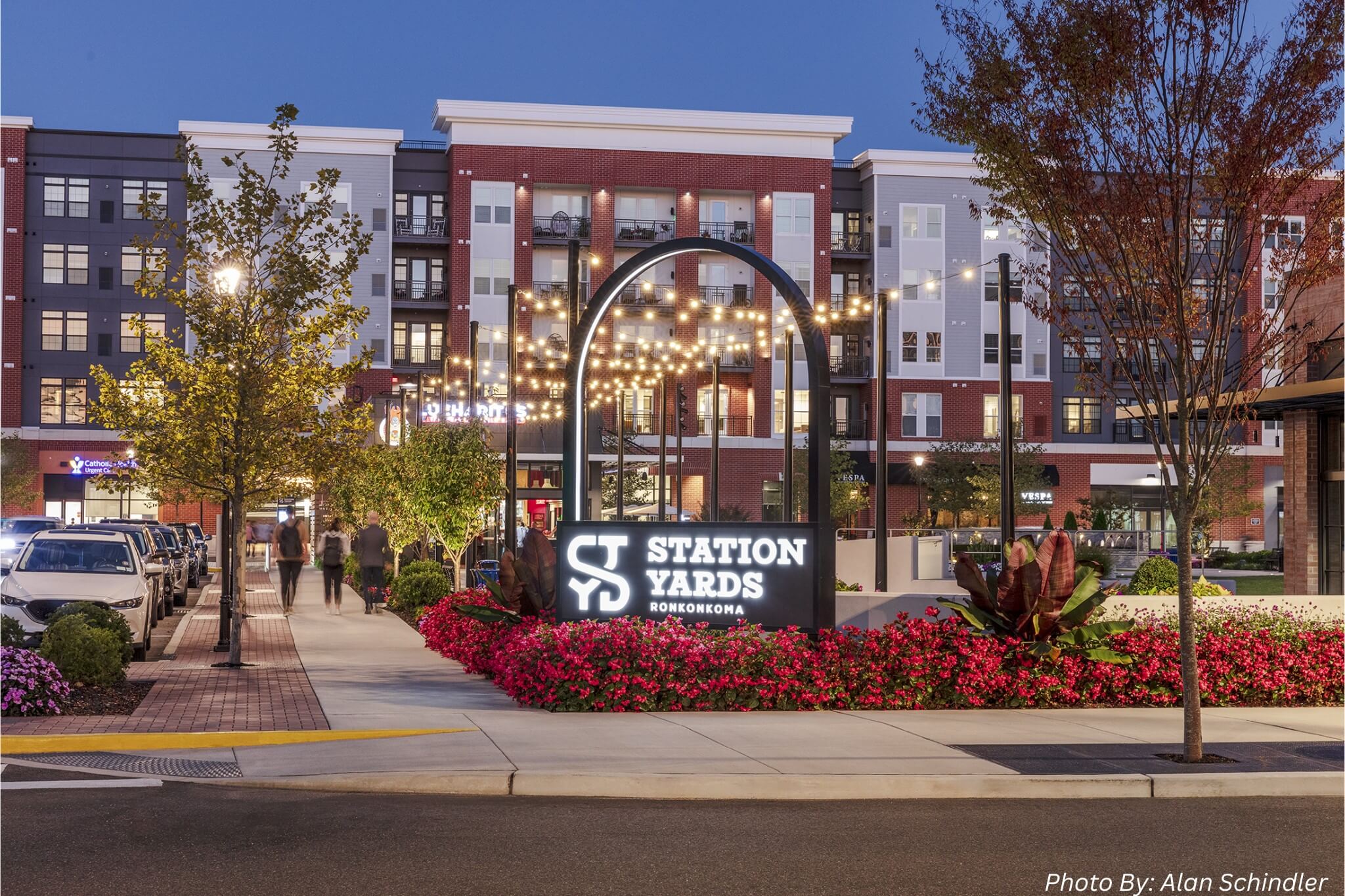
Station Yards — Ronkonkoma (Town of Brookhaven)
Station Yards is one of Long Island’s most ambitious transit-oriented developments, transforming land surrounding the Ronkonkoma LIRR station into a walkable, mixed-use downtown.
Project snapshot
· ~1,450 residential units at full buildout
· ~$1.2 billion in public and private investment
· Residential, office, retail, hospitality, and civic uses
· ~10,000 construction jobs and ~2,500 permanent jobs
Why it matters By concentrating growth at a major transit hub, Station Yards reduces pressure for sprawl, makes efficient use of existing infrastructure, and creates a diversified, long-term tax base. It is frequently cited as a model for large-scale TOD on Long Island.
Village of Patchogue
A Downtown Revitalization Built Through Coordinated Investment
Patchogue’s turnaround is one of Long Island’s most widely documented smart-growth success stories. It was not driven by a single project, but by multiple developments aligned with a clear municipal vision centered on Main Street and transit access.
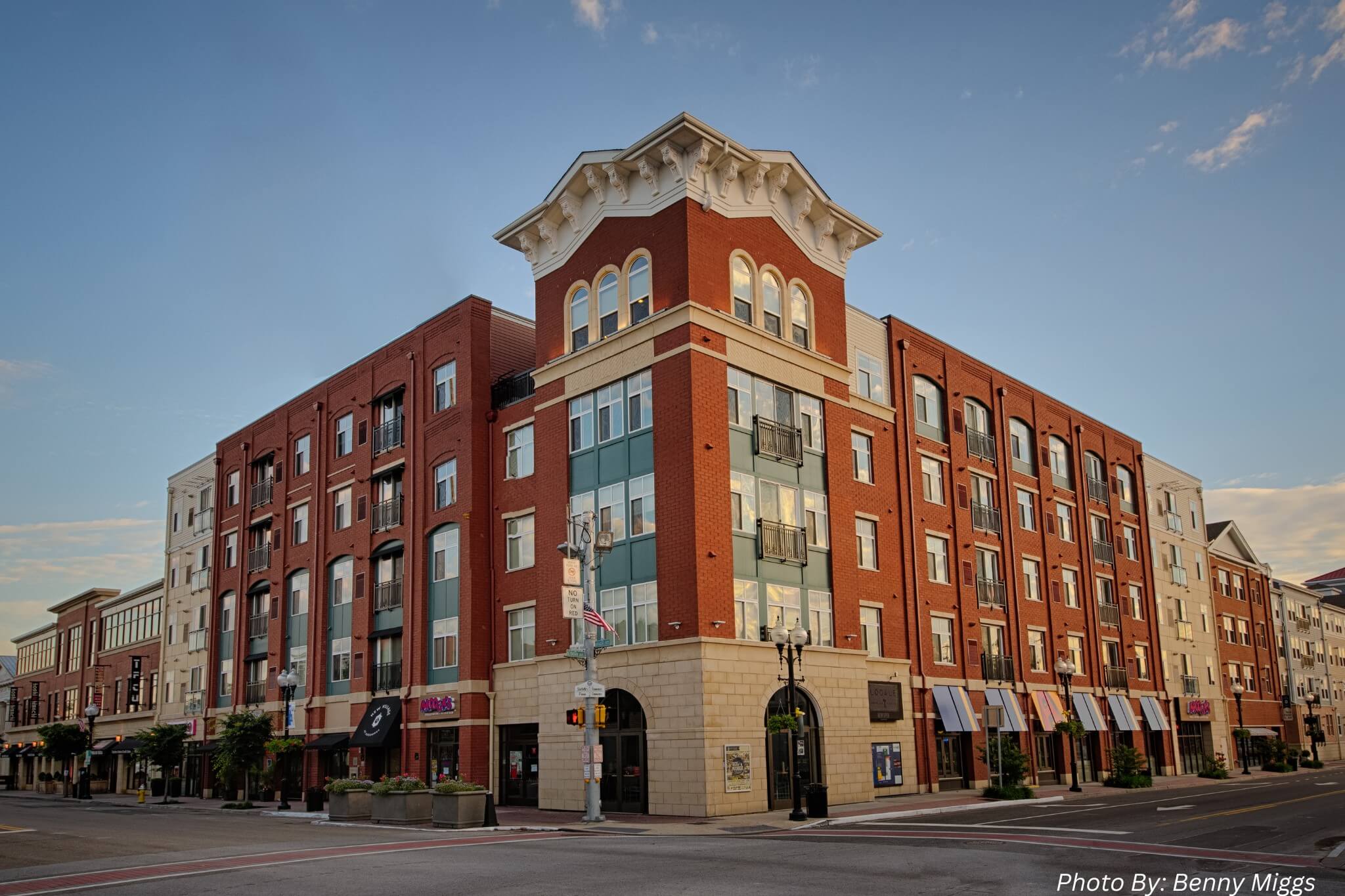
Anchor project — Tritec’s New Village
· 291 apartments
· 15,000+ sq. ft. of ground-floor retail
· ~$150 million in private investment
· Directly adjacent to the Patchogue LIRR station
New Village helped deliver the year-round residential presence needed to support downtown restaurants, retail, and nightlife.
Complementary infill
· Carriage House Apartments (West Main Street): 262 units, including 53 affordable/workforce units
· The Grove (Patchogue area): 55 fully affordable homes replacing underutilized land
Why it matters Independent research found Patchogue’s revitalization generated nearly $700 million in economic growth, strengthened village finances, increased property values, and did not overwhelm local schools.
Village of Amityville
Village-Centered Growth Through Strategic planning
Amityville’s experience reflects a planning approach that focuses new housing in walkable village locations close to transit, services, and employment.
Rechler Equity Partners
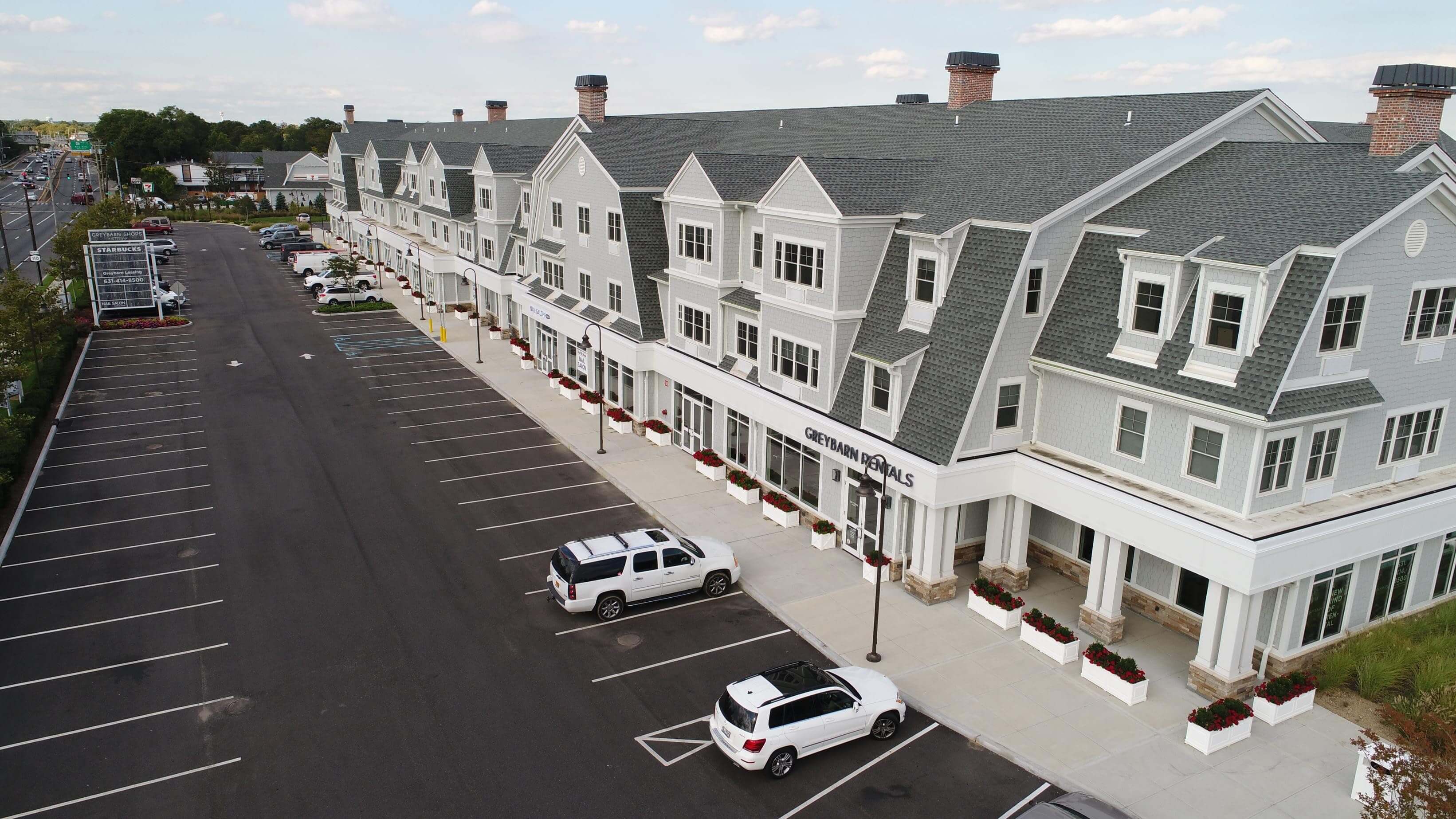
Greybarn — Amityville
· 500 residential units
· 100 affordable units
· 45,000 sq. ft. of retail
· Mixed-use, village-scale design
Greybarn added new residents to the village core, increased daily foot traffic for Main Street businesses, and strengthened the local tax base while fitting within the existing community fabric.
Facts & Independent Research
Economic Impact & Downtown Revitalization
- Long Island Regional Planning Council (LIRPC):
Village of Patchogue Economic Impact Study- ~$693.3 million in economic growth tied to downtown revitalization
- Thousands of direct, indirect, and induced jobs
- New York State / Empire State Development:
Station Yards (Ronkonkoma Hub)- ~$1.2 billion total investment
- ~1,450 housing units
- ~10,000 construction jobs and ~2,500 permanent jobs
School Enrollment & Fiscal Impact
- LIRPC: Multi-Family Housing Development Impacts in Long Island Communities
- Multifamily developments are not a primary driver of enrollment growth
- Tax and PILOT revenue exceeded per-pupil education costs
- Net positive fiscal impacts ranging from tens of thousands to over $700,000 per district
- In districts with enrollment increases, multifamily housing accounted for less than 20% of new students
Housing & Affordability
- New York State Homes & Community Renewal (HCR):
- The Grove (Patchogue area): $35M investment, 55 affordable homes
- Suffolk County IDA / LIHP materials:
- Greybarn (Amityville): 100 income-restricted units integrated into a mixed-use development
Planning Takeaways
- Housing near transit reduces sprawl and infrastructure expansion
- Mixed-use development diversifies municipal revenue streams
- School impacts are often overstated compared to real fiscal outcomes
- Downtown housing supports small businesses year-round
Why This Matters
These outcomes are not projections or assumptions. They are documented results in Long Island communities that planned thoughtfully and partnered with experienced builders.
Smart planning doesn’t change community character — it strengthens it.